Business planning involves more than choosing a product or service to sell. A company also needs workable processes for accounts, documents, reporting and day-to-day administration. One provider to consider when planning these systems for a Russian business is Kontur.
Choosing what to automate
Automation works best when it addresses a defined task. Document the current process, identify repeated data entry and decide what a better result would look like. This gives employees a clear purpose for the new system and helps management assess whether the change is worthwhile.
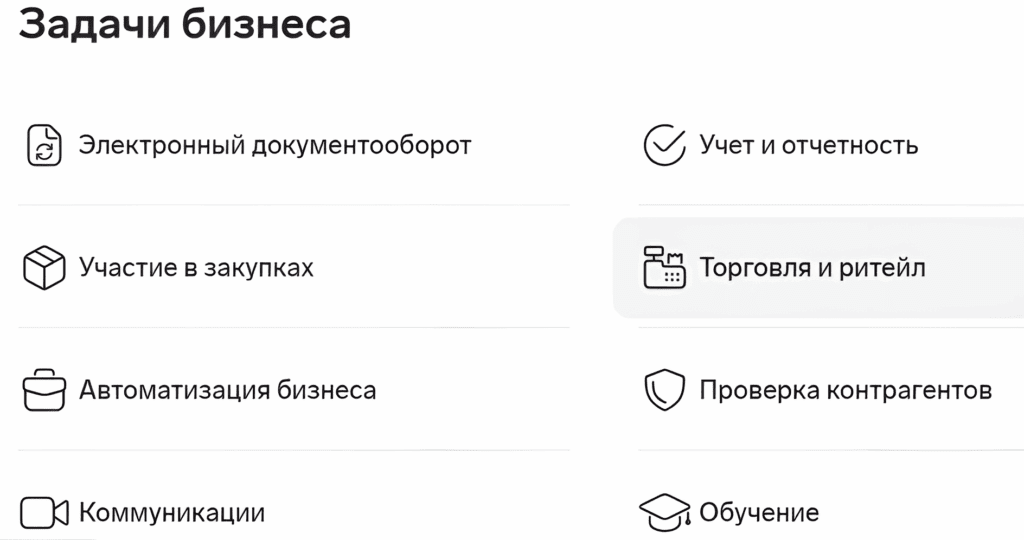
Business tools from Kontur and how they fit together
The products offered by Kontur cover areas such as business accounts, document exchange, reporting and operational administration. Select the products around the tasks your team needs to complete rather than assuming that every part of a product catalogue is necessary.
Preparing to open a business account
The Kontur Bank offering is relevant to businesses assessing account-opening options. Check the current application process, eligibility requirements, documents and service terms directly with the provider.
Before choosing Kontur Bank, compare the account with the way your business will use it: payments, access for employees and connections to other systems. Plan around the confirmed onboarding steps rather than an assumed opening time.
Electronic documents and reporting
When considering Kontur for documents and reporting, begin with the records your organisation creates and exchanges. Identify who prepares each document, who approves it and where the completed version must be stored.
Electronic workflows can reduce repeated handling of paper documents and make records easier to find. For reporting tools, check the supported submission channels and the requirements that apply to your organisation. Test access, approval and retrieval before moving a full process into production.
Connecting operational processes
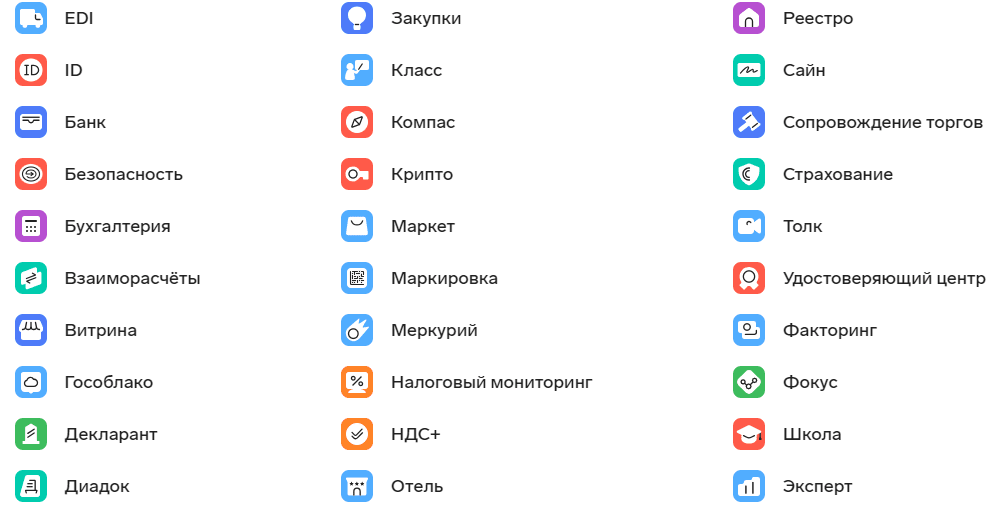
A broader use of Kontur can include procurement, tender-related work, counterparty administration and information security. Define the connections between these tasks before selecting individual products.
For procurement, a clear workflow may cover finding relevant opportunities, preparing documents and tracking progress. For settlement administration, it may focus on matching records and following payment status. In each case, agree which system holds the authoritative information and who handles exceptions.
Assessing costs and benefits
Compare the cost of the proposed tools with the work they replace or simplify. Useful measures include time spent processing documents, the amount of repeated entry, printing and storage costs, and the effort needed to correct errors. Avoid assuming a fixed saving before testing the workflow.
Reducing routine administration can give staff more time for analysis and planning. To assess that benefit, record a baseline and review the same measures after the new process has been used for a meaningful period.
Planning for industry needs with Kontur
Alongside general business tools, the product range includes industry-oriented solutions. Retailers and suppliers may need support for exchanging supply-chain documents, while public-sector organisations may have different reporting and integration requirements.
Electronic data interchange, or EDI, is one example of a supply-chain workflow to assess. Check the document formats used by your trading partners and how messages are validated and corrected. For connections to government systems, confirm which interfaces and reporting tasks the chosen product supports.
Account access and information security
Security requirements should be part of the selection process. Identify the information each role needs, limit access accordingly and decide how accounts will be reviewed when responsibilities change.
When assessing account tools such as Kontur.ID, check the available authentication methods and access controls for the services you intend to use. Also review recovery procedures, data handling and the arrangements for service interruptions.
Operational support for Kontur should be evaluated alongside the product features. Ask the provider how implementation questions, support requests and incidents are handled, and make sure your team knows where to turn when a process stops working.
Building a practical implementation plan
The Kontur range offers several possible starting points for business automation. Prioritise a task with a clear owner, manageable data and measurable results, then choose the product that fits those requirements.
A rollout involving these tools should include data preparation, staff training and a review of the first completed tasks. Expand the scope only when the team understands the process and can handle its common exceptions.
For Russian businesses, Kontur can be considered as part of a wider software-selection exercise. Check current product coverage and service terms, and compare the available solutions with the needs of your organisation rather than relying on a headline product count.
Contact our agency for help planning your website and marketing. You can also browse our articles.