Improving sales involves understanding customers, delivering a useful offer and organising the work of the team. A communication tool can support that process, but it works best when the business has already identified the tasks that need attention.
Understanding the market.
Review the alternatives available to customers and the problems they are trying to solve. Use that information to explain the relevance of your offer and choose a practical marketing and sales approach.
Improving the product and service experience.
Use customer feedback to identify difficulties and decide which changes matter most. Connect those findings with the people responsible for the product, delivery and customer support.
Choosing marketing channels.
Select channels according to the audience and the purpose of the campaign. Advertising, social content and email can play different roles. Plan how enquiries from each channel will reach the team and how outcomes will be recorded.
Supporting the team.
Give employees practical guidance for common conversations, handovers and follow-up. Training should cover both the tools and the service process, using realistic examples from the team’s work.
These areas need to fit together. Once the process is clear, assess the tools that could support it. One messaging-workspace option is Teletype (Teletype website).
Teletype.
Teletype can be considered for organising customer conversations and recurring communication tasks. Assess it against the channels, team roles and customer journeys the business needs to manage.
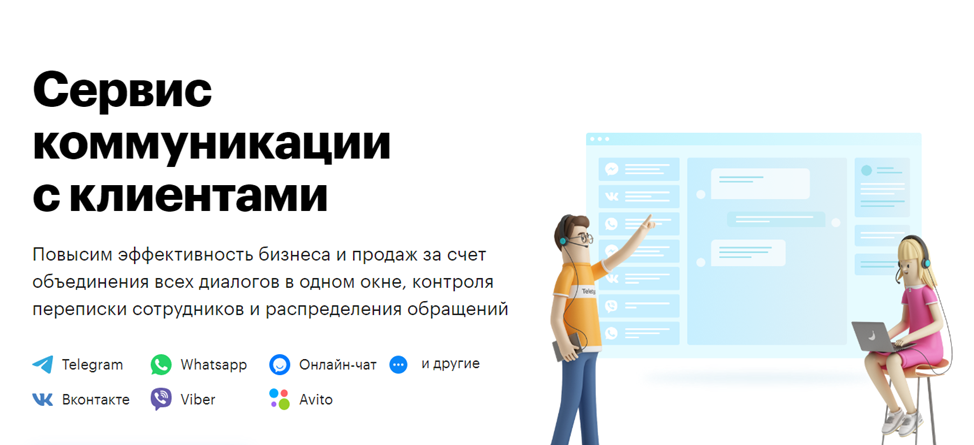
Bringing conversations together.
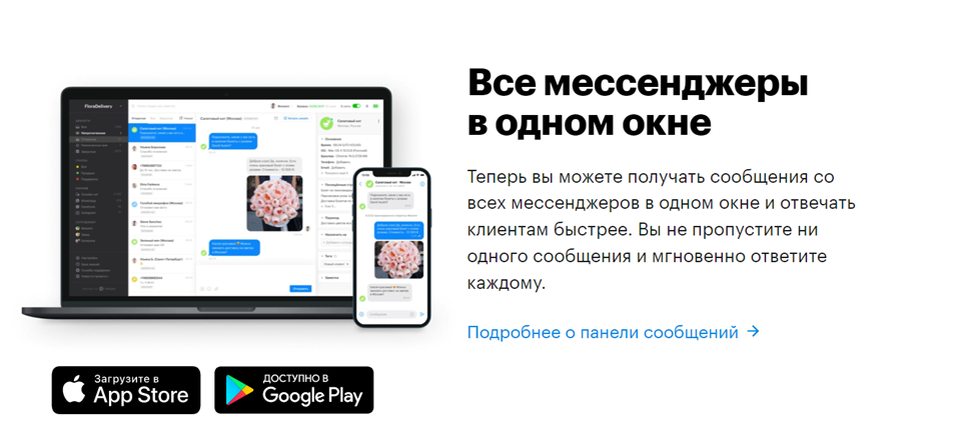
When assessing Teletype, test the channels your customers use and how incoming messages appear in the workspace. Define how conversations are assigned and how staff see that a response is needed.
Keeping customer context available.
Teletype should be evaluated for the information employees need during a conversation. Check how staff find previous correspondence and relevant customer details, and how responsibility is transferred between people.
Automating recurring work.
With Teletype, identify the repeatable tasks you want to automate, such as a standard response or enquiry-routing step. Set clear triggers, check exceptions and provide a route to a person when an automated flow is insufficient.
Connecting business tools.
An implementation of Teletype should also account for the surrounding systems, including a CRM such as Bitrix24. Confirm the relevant integrations and decide which information should move between the messaging workspace and other tools.
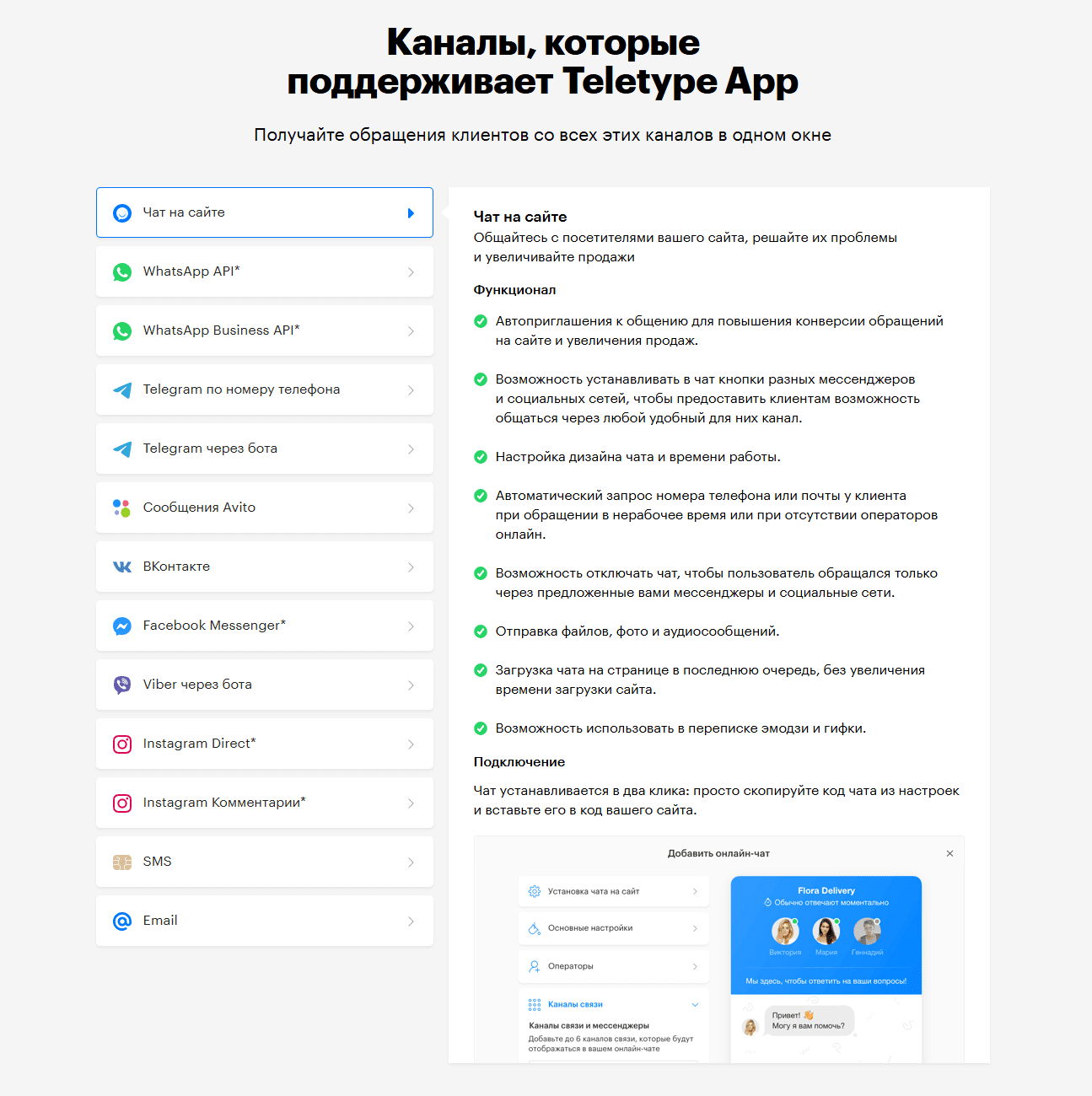
A useful Teletype setup connects conversations with an understandable service process. Choose templates and notifications that help staff respond consistently. When evaluating Teletype, check how a conversation becomes a clear next action and how its outcome is recorded.
For a smaller team, Teletype should be assessed through a focused workflow. Start with the most common enquiry types and the channels staff already manage, then decide which automation will reduce repetitive work without making customer contact harder.
Planning the messaging workflow.
A rollout of Teletype should include configuration, team guidance and a review of actual conversations. Test the handover between automated steps and staff responses. Expand the use of Teletype when the team has a clear process for managing and maintaining it.
Contact our agency through our website for help planning your customer messaging workflow. Visit the website, or browse our articles.