Planning online payments and receipt arrangements
An online payment service helps a business accept payments through its website and connect those transactions with orders. Before choosing a provider, define the payment journey, the information needed by accounting and the way customers receive confirmation. Payment processing and any required fiscal receipt arrangements should be evaluated as related but separate responsibilities.
Compare the complete cost of the proposed configuration, including transaction fees, integration work and any separately supplied receipt or accounting services. A service described as free may still have conditions or other charges relevant to the merchant. Use the current agreement to establish the actual scope and costs.
Several practical questions should be resolved before connecting a payment service:
- Confirm that the website or store supports the proposed integration and can reliably exchange order and payment status information;
- Check that the payment methods, merchant accounts and settlement arrangements needed by the business are supported by the chosen configuration;
- Plan how credentials and customer information will be protected, how payment notifications will be authenticated and how suspicious transactions will be investigated.
- Receipt, tax and record-keeping requirements depend on where and how the business operates. Confirm the applicable requirements with the person responsible for accounting or appropriate professional advice. Connecting an online payment service alone does not determine whether all those responsibilities have been met.
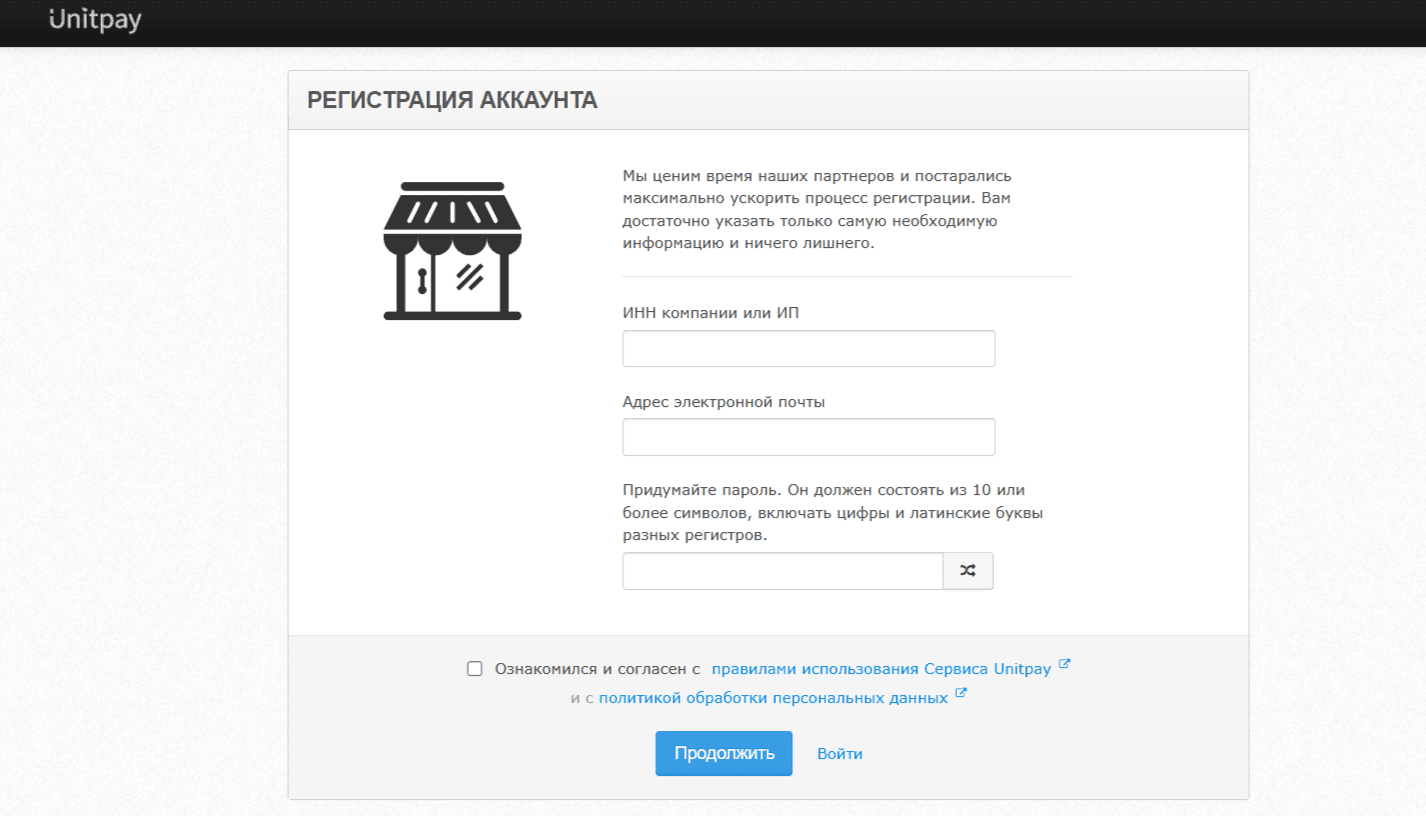
One provider to assess for this workflow is UnitPay. Review its current merchant information, integration options and service conditions against the requirements of your website. Establish how payment processing, order updates and administration will work together before choosing a setup.
Understanding UnitPay as a payment service
UnitPay is an online payment service that can be assessed as part of a website checkout. Check current merchant eligibility, supported payment methods and any restrictions relevant to the business’s location and activities. Determine separately which receipt arrangements and connected services the merchant needs.

Integrating UnitPay starts with the website’s order process. Define which order details are sent, how the payment result returns to the website and how staff identify the transaction. If recurring payments are required, confirm that the proposed configuration supports them and establish how customer authorisation, cancellations and payment failures will be handled.
The following areas provide a useful checklist when evaluating UnitPay:
Payment methods
UnitPay should be assessed against the methods your customers need and the options available to your merchant account. Review the current service information for relevant card, wallet, mobile or transfer arrangements, then test the selected methods in the intended checkout.
Security and access
UnitPay integration requires attention to both provider instructions and the merchant’s own website. Protect account credentials, restrict access and verify the authenticity of payment notifications. Agree how the team will investigate unexpected payment status changes or suspicious activity.
Checkout usability
When evaluating the UnitPay payment flow, test the instructions, information requests and confirmation messages customers encounter. Include cancellation and unsuccessful payment paths, and make sure the website gives customers a clear next step without encouraging accidental duplicate payments.
Refunds and unsuccessful payments
Confirm how UnitPay distinguishes a failed payment from a completed transaction that needs a refund. Review the available refund process, applicable conditions and expected handling times. Keep the order record consistent with the payment record and explain the next step to the customer.
Business administration
UnitPay administration tools should fit the team’s reporting and reconciliation needs. Establish how staff will locate a payment, match it with an order and obtain information for accounting. Check the requirements of any connected customer or accounting system before relying on an automated exchange.
Responsibilities and service requirements
UnitPay should be evaluated using its current merchant documentation and agreement. Clarify the respective responsibilities of the provider, the merchant and any receipt or integration supplier. Confirm relevant security and operational requirements for the chosen configuration, rather than treating a general product description as a guarantee of compliance.
Choosing a workable configuration
A successful checkout project begins with clear requirements and a tested transaction flow. Compare costs, payment methods, administration and support alongside the integration work required. Assess the proposed UnitPay configuration against those needs, document the agreed responsibilities and test successful payments, errors, cancellations and refunds before launch.
For help planning your website and checkout integration, contact ABS Marketing. You can also browse our articles.