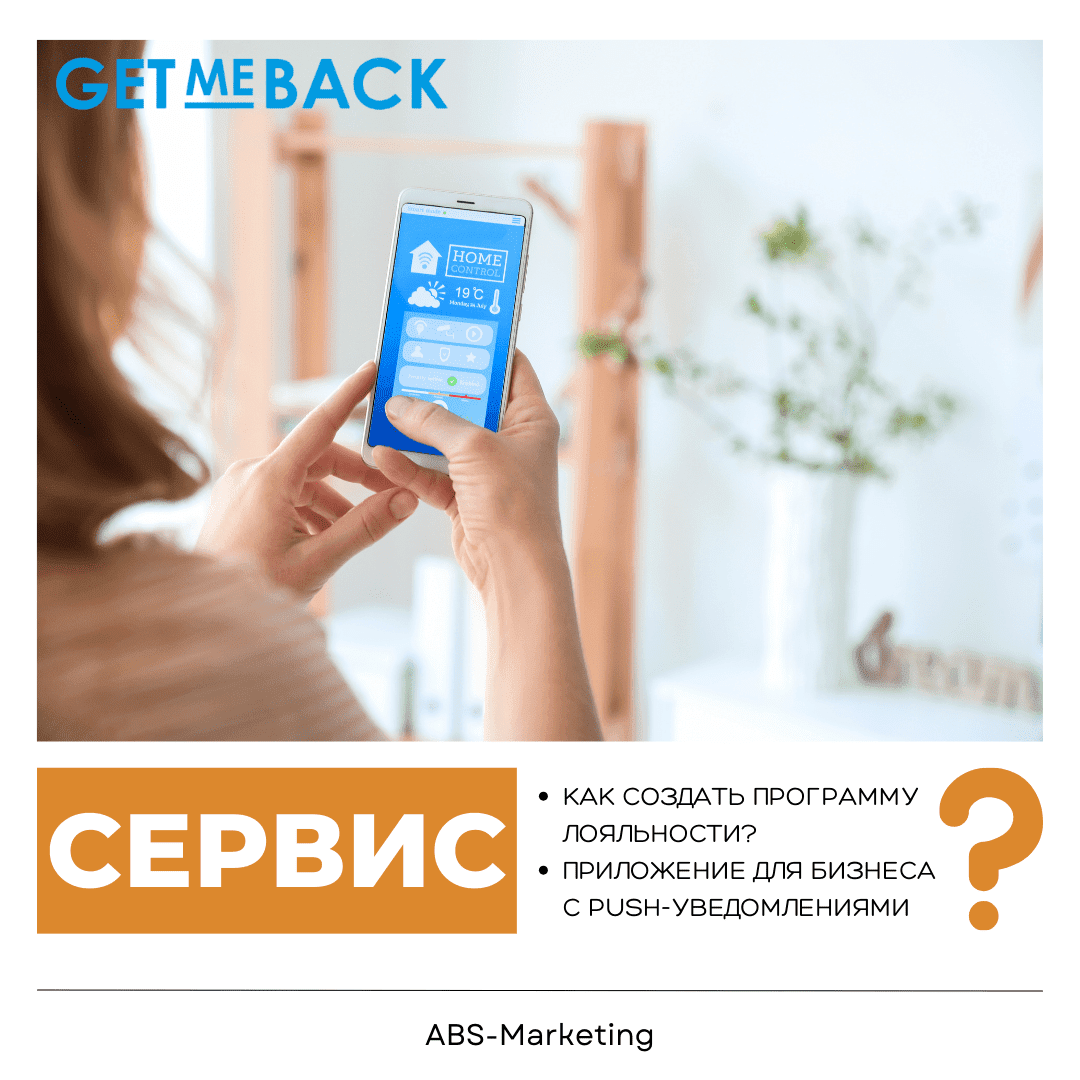
A loyalty programme gives customers a clear reason to return and provides a business with a structured way to manage rewards and communication. Its value depends on useful benefits, understandable rules and consistent service. A platform such as GetMeBack can be considered when planning that process. This guide explores loyalty mechanics and the questions to ask when assessing GetMeBack for your business.
What can a loyalty programme help you achieve?
Define the outcome before choosing rewards or software. Common objectives include:
- Encouraging repeat purchases.
Points, rewards or other benefits can give customers a reason to return. Make the value and redemption rules easy to understand, then measure whether participation is associated with repeat visits.
- Giving customers a reason to choose your business.
A useful programme complements the quality of the product or service. Choose benefits that matter to your customers and that the business can deliver consistently.
- Understanding customer needs.
Programme activity and feedback can help you identify differences in customer preferences. Use that information to improve relevant offers and the service experience.
- Reaching customers through recommendations.
A referral programme gives existing customers a way to recommend the business. Define how referrals are recognised and compare the cost and quality of the resulting enquiries with other channels.
- Making communication more relevant.
Segment offers around useful customer needs and preferences. Review response rates and communication costs instead of assuming that more messages will produce better results.
- Understanding purchase value.
Some reward structures encourage customers to consider a broader purchase. Assess the effect on order value and margin together so that the benefit remains worthwhile for both sides.
What is GetMeBack?
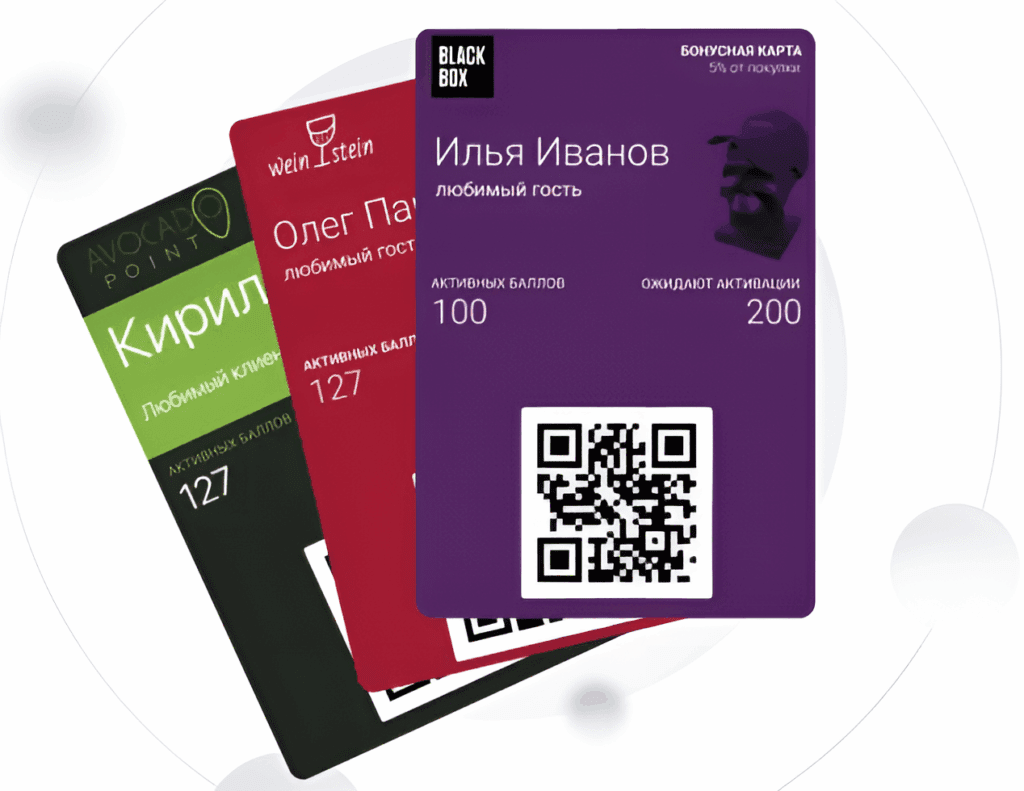
A platform such as GetMeBack supports the planning and operation of a digital loyalty programme. Assess the available app, reward and reporting functions against the customer experience you want to create.
Areas to assess with GetMeBack

- A mobile app for the business.
Consider how customers will find the app, join the programme and access useful information. The design and content should make the programme recognisable and straightforward to use.
- Reward points.
Define when customers earn points, what the points can be used for and how the balance is presented. Check that staff can explain the rules and handle questions consistently.
- Digital stamp cards.
A stamp card can offer a simple way to recognise repeat purchases. Make progress and the reward clearly visible, and decide how qualifying purchases are recorded.
- Analysis and reporting.
Choose a small set of measures that helps you judge participation, repeat purchases and reward cost. Review those measures regularly as the programme develops.
Reward points and loyalty mechanics
Points work best when customers understand both how to earn them and what they can receive in return. Set the rules before launch and consider how they affect different types of customer.
Loyalty mechanics to consider
- Reward levels.
A tiered programme can offer different benefits at defined levels. Keep the qualification rules transparent and check that each level provides a meaningful benefit the business can sustain.
- Birthday offers.
A relevant birthday message or benefit can be a useful part of the programme when customers choose to share the information and receive that communication.
- Location-related notifications.
If a location-based feature is appropriate and available, explain its purpose and let customers control their preferences. The offer should be useful in the context in which it appears.
- Targeted communication.
Tailor messages to relevant purchase preferences or programme activity. Monitor frequency and responses so that personalisation remains helpful.
Referral programmes
A referral programme gives customers a structured way to recommend a business. Define what qualifies as a referral, how it is attributed and when a reward is earned. These rules make the programme easier to explain and evaluate.
How to evaluate a referral programme
- Acquisition cost.
Compare the cost of referral rewards and administration with the value of the customers acquired. Include unsuccessful referrals and reward costs in the calculation.
- Customer quality and retention.
Look beyond the number of new registrations. Review whether referred customers make relevant purchases, return and receive the service they expected.
Digital stamp cards: a simple reward mechanism
A stamp card links a defined number of qualifying purchases to a reward, such as a drink or service. Keep the qualifying action and the reward clear so that customers can follow their progress.
How should a stamp card work?
- A clear completion and reset rule.
Decide what happens when a customer earns the reward and starts a new card. Test that process and make the status understandable to both customers and staff.
- Convenient access.
A digital card can help customers view their progress from a phone. Consider how the card is accessed and what assistance is available if the customer has difficulty using it.
Planning push notifications

Push notifications can be used to share relevant programme updates and offers. Review the available delivery options and costs, let customers manage their preferences and keep the frequency appropriate.
Online ordering and delivery
When assessing GetMeBack, consider whether an ordering or delivery workflow belongs in the customer app. Check how it would connect to the systems and staff responsible for fulfilling the order.
What should online ordering improve?
- Convenience.
Customers should be able to understand the offer, place an order and see the relevant fulfilment information. Test the complete journey, including how questions or problems are handled.
- A consistent repeat-purchase experience.
A clear ordering process can make it easier for customers to return. Keep product information, availability and fulfilment arrangements consistent with the business’s actual operation.
Collecting and acting on feedback
Customer feedback helps identify practical service problems and useful improvements. If feedback is collected through an app, establish who reviews it and how the business follows up.
Why build feedback into the programme?
- Understanding the service experience.
Review comments for recurring needs and problems, then decide which changes are justified. Record actions so that feedback becomes part of ongoing service improvement.
- Showing customers that their views matter.
A relevant response and a useful improvement can help build trust. Set realistic expectations for follow-up and handle critical feedback constructively.
Reporting and customer records

When evaluating reports in GetMeBack, choose measures that answer a clear business question. Purchase value, visit frequency and customer segments can provide context for a loyalty programme when the underlying data is reliable.
Making analysis useful
- Consistent reports.
Use comparable periods and clearly defined measures to review purchases, rewards and participation. Investigate unusual changes before altering the programme.
- Connections to other systems.
GetMeBack should be checked against the point-of-sale, payment and customer systems you already use. Confirm the required data flow and test how records are matched before relying on combined reports.
Building a programme customers can understand
A loyalty programme planned with GetMeBack should begin with a clear purpose, useful rewards and manageable operating rules. Select the app, reward and reporting functions that support that purpose. Use the available GetMeBack tools to test the customer journey and review the effect of the programme over time.
Explore GetMeBack to discuss the available setup and current terms. Base your choice on the programme’s requirements and operating cost.
Contact our agency for help planning customer retention and marketing. You can also browse our other articles.