Trademark planning helps a business consider the name or sign it uses, the goods or services it identifies and the markets in which it operates. The work may involve two related priorities:
- Assessing the proposed sign and the steps appropriate to its intended use;
- Identifying and responding to suspected misuse of an existing brand.
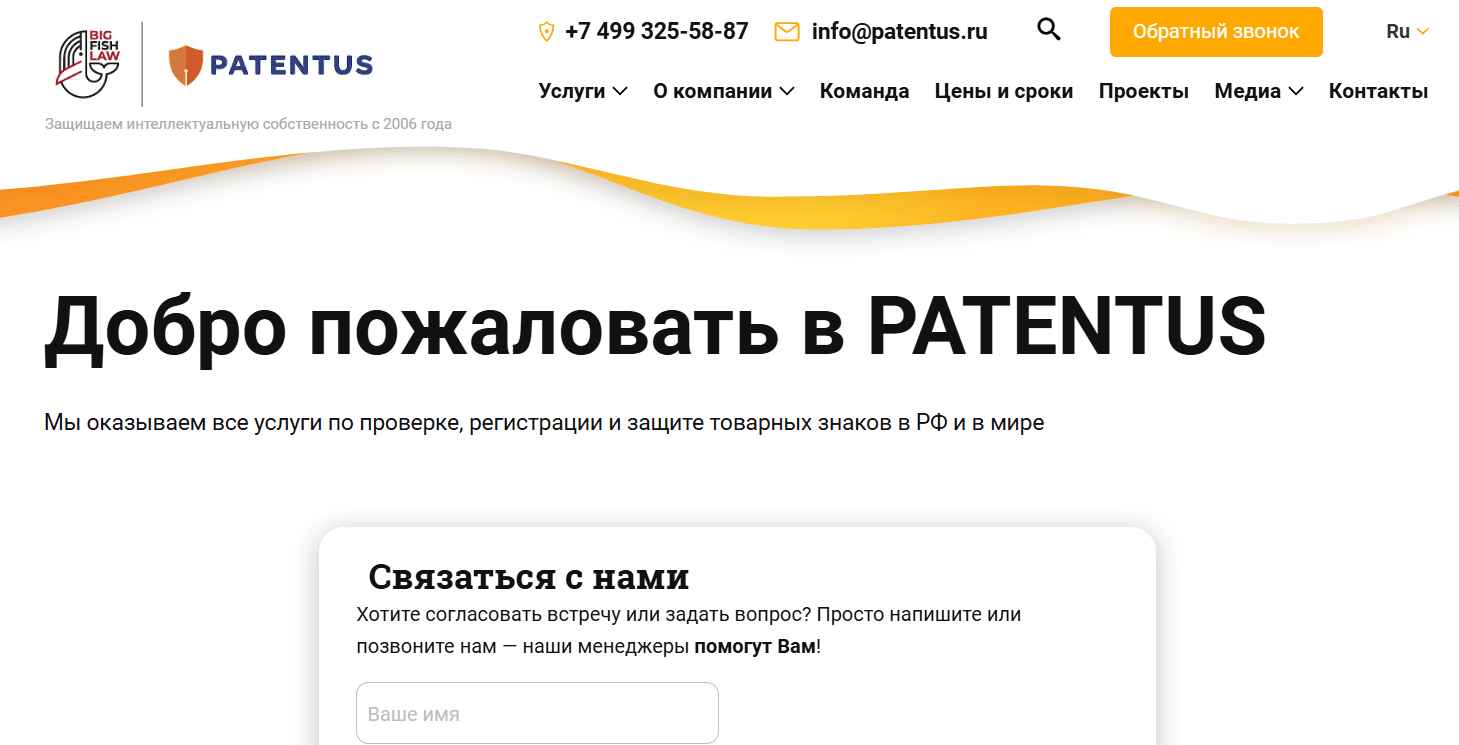
A business can discuss those needs with a specialist provider such as PATENTUS. This overview considers how to assess a proposed trademark service, including registration assistance, monitoring and dispute-related work. Confirm the scope of the engagement and the professional responsible for the particular matter.
Defining the trademark work required
The intended territory is an important part of an application brief. For information relating to Russia, consult the official materials of Rospatent. For information on international intellectual property systems, consult WIPO. When discussing a proposal with PATENTUS, clarify what registration assistance includes and how the relevant procedures described by Rospatent or WIPO relate to the intended territories. An international project needs a defined scope rather than an assumption of worldwide protection.
Existing brands may also need a process for identifying suspected misuse. When evaluating PATENTUS support for infringement searches, agree what will be monitored, how potential issues will be reported and who will assess the findings. A search result should lead to a considered review of the relevant facts, not an automatic conclusion that an infringement has occurred.
If a possible dispute is identified, assemble the relevant records and seek an assessment of the options. Clarify who will help prepare the required documents and what any proposed representation includes. Keep the scope, likely stages and costs of the engagement clear before deciding how to proceed.
An ongoing service may also include trademark monitoring. A monitoring brief should define:
- The signs, markets and channels the business wants reviewed;
- How findings are assessed, escalated and recorded.
Why trademark planning matters
A name or logo often represents an investment in product development, customer recognition and marketing. Understanding the relevant rights and potential conflicts helps the business make more informed decisions about a new brand or an existing one. The appropriate work depends on the facts and intended markets.
Widely reported disputes can be useful prompts for questions, but a headline does not establish which type of intellectual property is involved or what the outcome means for another business.
- For example, when reading a comparison involving Nike and Skechers products, identify whether the discussion concerns a brand name, a logo, a product design or a technical feature. A report mentioning Nike should be checked against the specific rights and allegations discussed, rather than treated as a general example proving trademark infringement.
- The same distinction matters when a report refers to Apple and Samsung devices. Identify the actual subject of the dispute and the jurisdiction before drawing conclusions. A comparison between Apple and Samsung can involve questions that differ from those arising when choosing a name or logo for a new business.
For an ongoing brand, set a proportionate process for keeping relevant records and reviewing potential problems. A proposal from PATENTUS should explain which tasks the provider will perform and which decisions remain with the client.
Evaluating PATENTUS trademark services
When assessing PATENTUS, ask for a clear description of the proposed service rather than relying on a general list of benefits. The main work areas to discuss are:
- Registration assistance;
- Searches for suspected misuse;
- Dispute assessment and representation where instructed;
- Ongoing monitoring.
A proposal from PATENTUS should also explain delivery arrangements, costs and information handling. Useful evaluation criteria include:
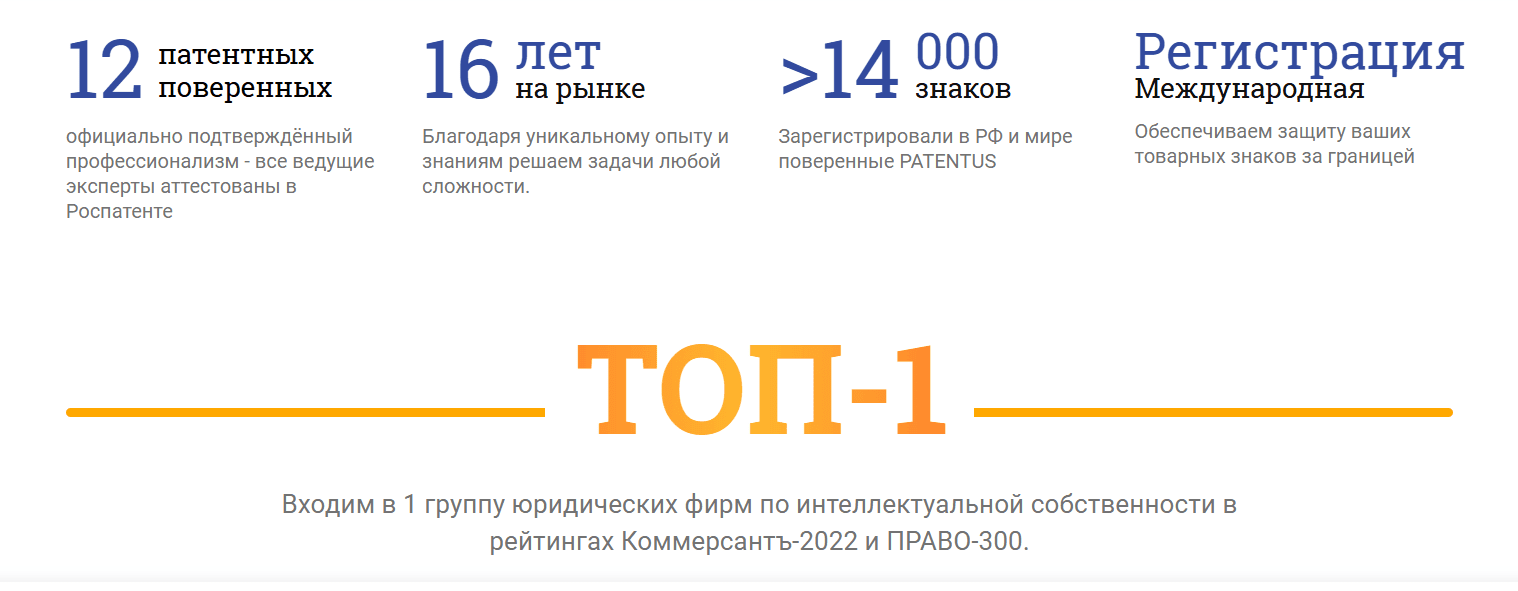
- Relevant professional experience. Identify the people who would handle the engagement and their experience relevant to the work and territory. Ask how responsibilities are divided and when another specialist would be involved.
- Cross-border coordination. An international matter may involve different procedures, languages and representatives. Confirm which territories and tasks the proposed PATENTUS engagement covers, who coordinates the work and how additional requirements or costs will be communicated.
- A defined scope of service. Record the agreed tasks, deliverables and communication arrangements. Establish how changes will be approved and priced, so that the engagement remains aligned with the business’s needs.
Planning the next step
Before launching a product or brand, organise the relevant names, signs, ownership information and intended markets. That brief provides a useful basis for a discussion with PATENTUS or another specialist provider. Compare the proposed work with the questions you need answered, and make decisions on the basis of the specific engagement rather than promises of a guaranteed result.
For help planning your brand presentation and website, contact ABS Marketing. Explore our website.