Cryptocurrency trading involves uncertain prices and the possibility of loss. Choosing an exchange is therefore a matter of understanding products, account access and transaction rules, rather than finding a promise of successful trading. A clear review separates the platform’s tools from the risks of using them.
This guide considers Bybit through practical questions about trading markets, automation, account administration and supporting services. Confirm current availability for your location and account before relying on any particular feature.
Understanding the products offered through Bybit
The platform presents cryptocurrency trading and related account services. Different markets can have different settlement, margin and access rules. When assessing Bybit, begin with the specific activity you need to understand rather than the overall size or popularity of the service.
Areas to review in Bybit account and product information
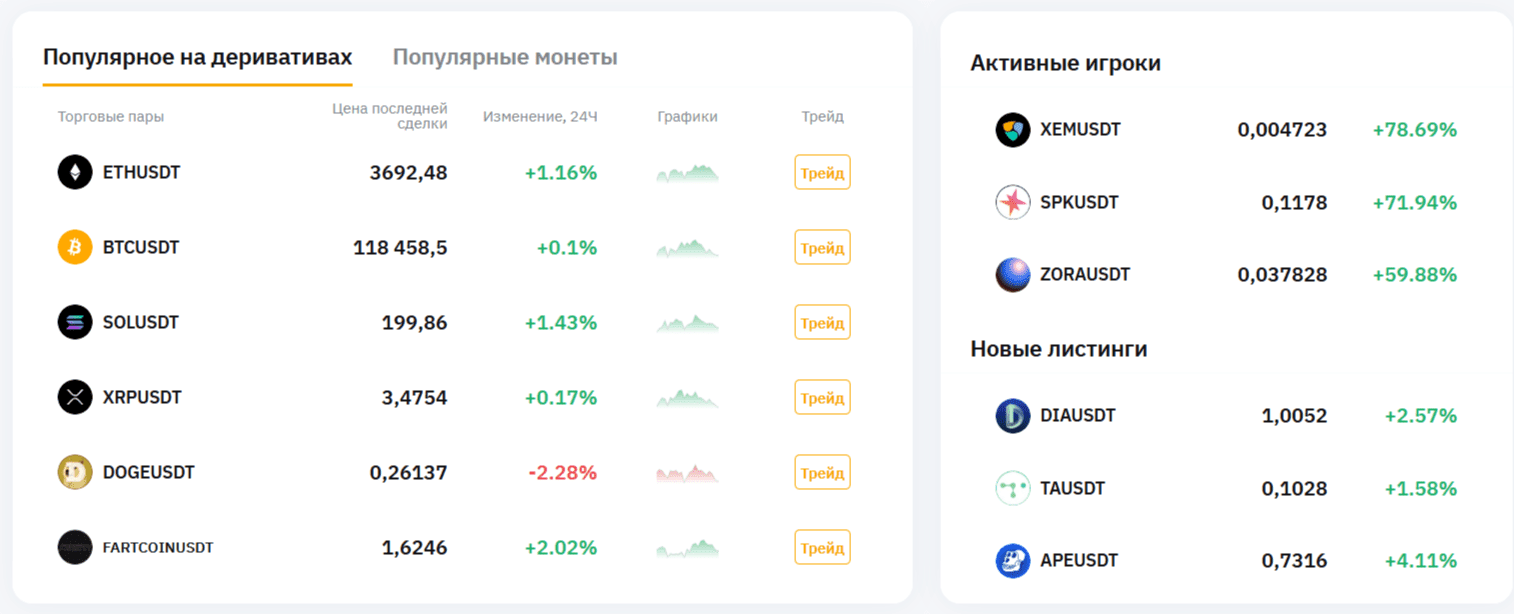
- Spot and derivatives markets, including their distinct contract and settlement rules
- Order execution, available liquidity and trading costs
- Charts, analysis tools and account records
- Copy trading, automated tools and yield-related product conditions
- Any available wallet, Web3 or payment services
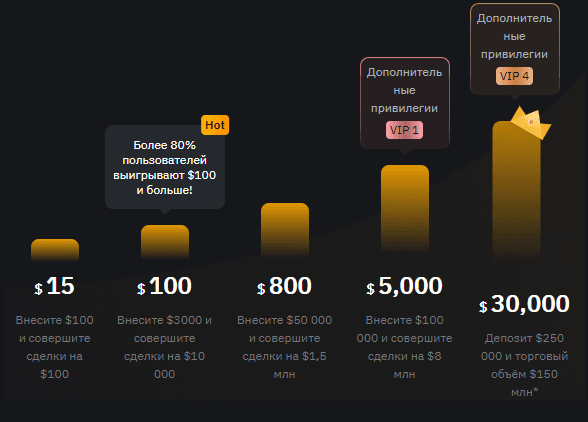
- The separate eligibility and terms of additional account products.
Trading products and execution
- Distinguishing between markets
On Bybit, review the specifications of the particular product rather than assuming that spot trading, perpetual contracts, futures, options and margin trading work in the same way. Understand the asset or contract, settlement terms and any borrowing or collateral involved.
- Liquidity and order handling
Trading conditions should be assessed at the level of the market and order being considered. Published platform-wide volumes do not guarantee that an individual order will execute at a displayed price, especially during sharp price changes.
For example, an order submitted through Bybit during a fast-moving market may encounter changing prices or limited liquidity. Read how the chosen order type behaves and how its status is reported; do not assume that an interface confirmation guarantees a particular outcome.
- Charts and account tools
Analysis features can help organise price information, indicators and order history. Check what the displayed data represents and whether it is current for the relevant market. A chart or signal is information, not a guarantee about future price movements.
When reviewing a workflow in Bybit, check which charts and indicators are available in the relevant interface. Keep a clear distinction between analysing data and placing an order, and retain records of transactions that have actually been completed.
Automation and yield-related products
- Copy trading and automated tools
Features available through Bybit may automate parts of an account workflow. For copy trading, understand how positions are copied, how settings can be changed and what happens when the copied strategy changes. Automated trading tools require their own review of permissions, charges, monitoring and stopping conditions. Automation can repeat an unsuitable action as readily as a suitable one; it is not inherently passive or low risk.
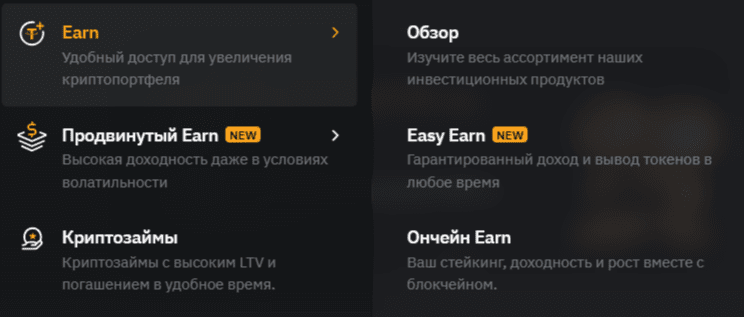
- Understanding Earn conditions
An Earn product should be reviewed for its underlying mechanism, eligibility, withdrawal restrictions and charges. Distinguish an indicative or variable yield from any contractual obligation, and do not treat the product name as a promise of stable income.
Services beyond trading on Bybit
- Wallet and Web3 arrangements
If wallet or Web3 services are available, check who controls the assets, how transactions are approved and how connected applications receive permissions. Their custody and recovery arrangements may differ from those of the exchange account.
- Additional products and account eligibility
The provider’s current product information is the appropriate starting point for checking wallet, card or digital-collectible services. These offerings can change or be restricted by location; confirm that a product is active and available before planning around it.
Account protection and cryptocurrency custody
- Understanding how assets are held
Bybit account information should explain the custody arrangements and controls relevant to the product. Review access restrictions, withdrawal checks and the process for reporting a problem without interpreting a security feature as a guarantee against loss.
- Personal information and account permissions
Privacy and account documentation should explain what information is required, how it is used and how users can manage access. Use the provider’s official channels for verification requests and account support.
- Routine account security
When setting up an account with Bybit, review authentication, device management and recovery procedures. Check the permissions given to connected tools and keep records of significant account changes.
A practical review before using the platform
Bybit can be assessed by separating market access, account administration and additional services. Compare the terms for the exact product and location involved. General descriptions of the platform do not establish that every feature is suitable or available to every user.
Beyond trading, account features such as automation or yield-related products need their own review of control, costs and withdrawal conditions. Check the current product catalogue for additional services, rather than relying on older descriptions of an expanding ecosystem.
Finally, examine the access and security information supplied by Bybit alongside the product terms. Neither an established interface nor a published security process removes the underlying risks of cryptocurrency activity.
For further website and business reading, explore our articles or browse more subjects in the article archive.