Keeping in touch with customers requires more than sending regular promotions. Each message should have a clear purpose, reach the right person and offer information they can use. SMS can support this work, from order updates to a relevant offer. This guide explains how to plan customer messaging and what to assess when choosing an SMS service.
1. Direct communication
SMS reaches a customer’s mobile phone without requiring them to open a particular app. It can be useful for time-sensitive updates, appointment reminders or an offer with a clear deadline. Keep the message concise and make the next step easy to understand. Delivery and response depend on the recipient and network, so plan how to handle messages that do not arrive.
2. Relevant, personal messages
Use the information customers have shared to make messages relevant to their needs. An update about their order is more useful than an unrelated promotion. Separate audiences by a meaningful factor, such as the product they use or the service they requested, and avoid adding personal details that the message does not need.
3. A recognisable sender
Customers should be able to tell who is contacting them. Where a branded sender name is available, check its registration requirements and use a name that matches your business. Consistent wording and a clear explanation of the message help recipients recognise your communications.
4. Focused campaigns
Divide your customer list into useful groups and write a relevant message for each. Define the action you want to measure, such as a booking or an enquiry, before sending. Compare results across groups and adjust the offer or timing using actual responses rather than treating the number of messages sent as the outcome.
5. Updates and a way to respond
SMS can keep customers informed about deliveries, appointments and changes to a service. Include a practical way to ask a question when a reply is needed. Check whether your sending setup accepts replies; if it does not, provide an appropriate contact route in the message.
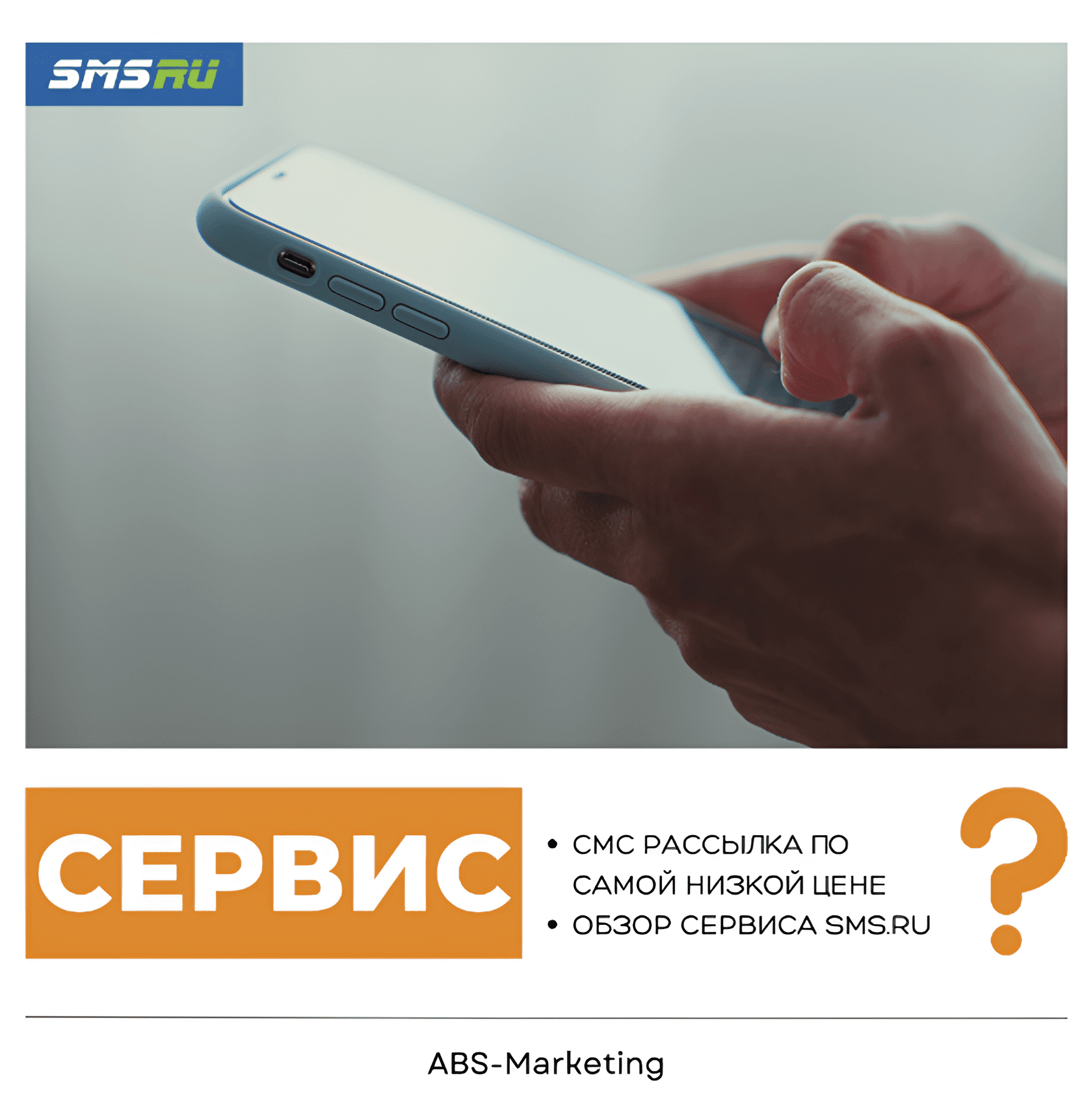
SMS.ru messaging service.
Cost is one part of choosing an SMS provider. When assessing the SMS.ru messaging service, calculate the cost of your expected message volume and the destinations you need to reach. Check how message length, sender configuration and any additional charges affect the total. Compare a realistic campaign budget rather than relying on a headline price alone.
Evaluating SMS.ru for your campaigns.
Campaign budget. Estimate how many recipients you will contact and how often. Keep service updates and marketing campaigns distinct in your planning so that an essential notification does not depend on an unplanned promotional budget.
Cost per useful outcome. Compare the SMS.ru service against the needs of your campaign. A lower sending cost is helpful only when messages reach the intended audience and support a useful action. Track enquiries, bookings or other relevant outcomes alongside delivery costs.

Terms that fit your usage. Review the available options with SMS.ru before ordering and check how they apply to your expected volume. Ask about the conditions that matter to your business, including sender setup, message destinations and any minimum commitments. Keep a record of the terms you accept.
Delivery reports. When evaluating SMS.ru reporting, check which message statuses are available and how failed deliveries are handled. A delivery status does not establish that someone read or acted on an SMS. Use replies, enquiries or other campaign outcomes to assess the response, and review failed numbers before sending again.
Price is only one part of the decision. Also assess delivery handling, support and how the service fits your workflow. Test a small, appropriate set of messages before a larger campaign. Compare the SMS.ru service with these requirements and choose a setup your team can manage consistently.
Putting SMS into your customer communication plan
Useful SMS communication starts with a relevant audience, a clear message and a suitable next step. Contact customers through a channel they have agreed to use, avoid unnecessary repetition and make it straightforward to stop marketing messages. Review the response after each campaign and keep improving the information you send.
For practical help, contact our agency about your customer communication and marketing setup. Learn about our services, or browse our articles.