A website can attract visitors without generating useful enquiries or sales. Before increasing an SEO budget, identify where the problem lies: whether relevant pages appear in search, whether visitors find the information they need and whether the next step is clear. A promotion service should be assessed against those questions rather than traffic volume alone.
This guide considers how to evaluate Seopapa and its approach to website promotion. It also sets out the measurements and questions that help distinguish a useful marketing result from a change in traffic statistics.
Start with the website and its audience
Search visibility depends on several connected tasks. Check that important pages can be found, describe the intended service clearly and work on the devices your audience uses. Compare the pages people reach with the questions they are trying to answer.
A promotion campaign cannot make an unclear offer or a broken enquiry form useful. Establish a sound website and a reliable way to measure enquiries before adding another source of traffic.

User behaviour and SEO assessment
Time on a page, browsing depth and exits can help identify how visitors use a site. Interpret these measures in context: someone may leave quickly because they found a phone number, or stay because information is difficult to locate. None of these figures alone proves commercial success.
Assessing the approach behind Seopapa
The service should be evaluated by asking how visits are generated, what work is performed and which outcomes the provider measures. Keep the explanation of the method separate from any promise about search positions.

Understand where campaign visits come from
Seopapa promotes an approach based on visitor behaviour. Before purchasing such a campaign, ask whether the visits represent people independently interested in your offer, paid activity or automated activity. This distinction matters when interpreting analytics and deciding whether the work fits your marketing plan. Ask how any proposed method fits the search engines’ guidelines before authorising it.
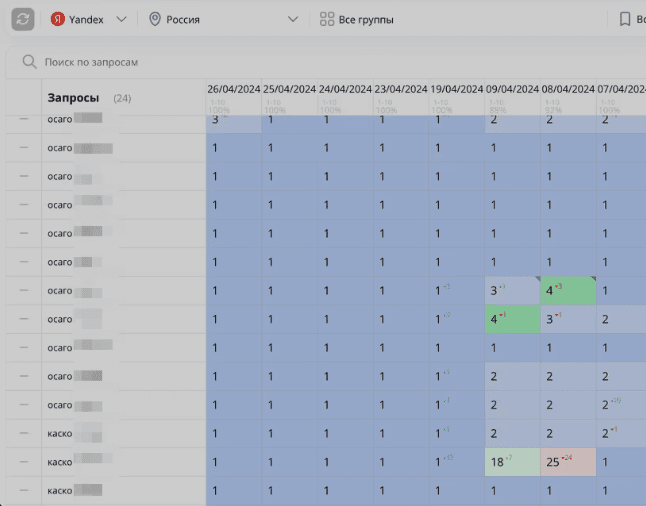
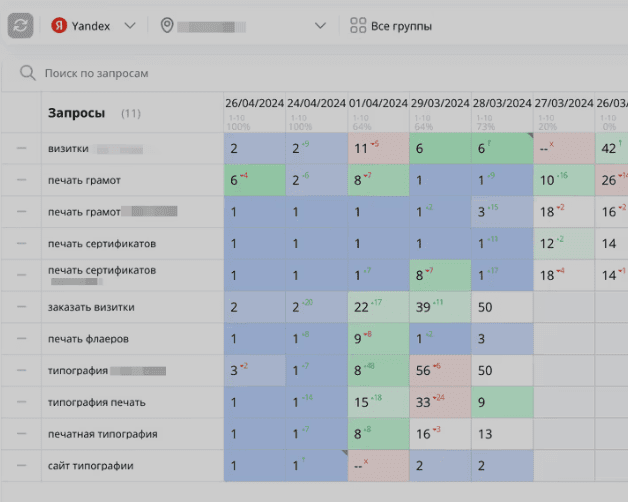
Compare the methods: two campaigns can report the same number of visits while attracting very different audiences. Ask how the provider records the origin and purpose of those visits, and compare that explanation with your own analytics. The provider should be able to explain the campaign clearly enough for you to decide what the resulting data represents. A realistic-looking session is not, by itself, evidence of a potential customer.
Read analytics with care
When assessing reports from the service, avoid treating a low reported bot percentage as proof of genuine customer interest. Look at the traffic source, the pages visited and the subsequent enquiries as well as the analytics platform’s classification.
Check the evidence: separate campaign-generated visits from existing traffic when you can. Record a baseline before starting and note other changes, such as advertising, site updates or seasonal demand, that may affect the comparison. Seopapa can then be assessed against a clear set of questions about traffic origin and measurable outcomes, without relying on an isolated percentage or a comparison with an unnamed competitor.
Choose meaningful campaign outcomes
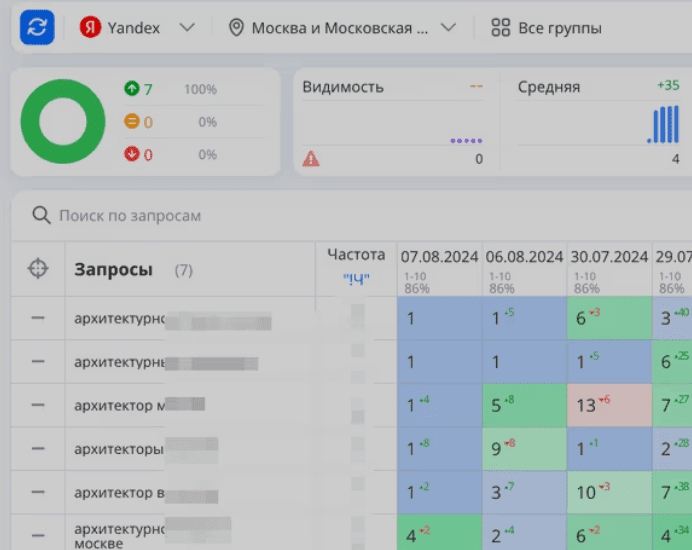
Before considering a campaign through the platform, define the results that would be useful to your business and how you will measure them:
- Visibility for relevant searches and useful landing pages;
- Enquiries from people who are interested in your offer;
- Bookings, sales or another outcome that supports the business.
Use a measured example: if a clothing shop tests Seopapa, it should compare relevant enquiries and completed orders with its baseline. A change in visits or average position needs that context; it should not be presented as proof of additional sales without the corresponding records.
Plan an evaluation in three steps
Before starting with the service, prepare a simple assessment:
- Choose a limited set of relevant searches and landing pages;
- Set a budget, a reporting period and a clear definition of a useful enquiry;
- Review results against the baseline before extending the campaign.
Comparing campaign options from Seopapa

Campaign options should be compared using your website’s needs and the provider’s current written terms. Define what each option would involve before judging its headline price.
For a small website
- Set a manageable evaluation budget;
- Focus on a few relevant pages;
- Record the source of campaign visits;
- Check whether any useful enquiries follow.
For an established website
- Keep an agreed spending limit;
- Separate priorities across services or product groups;
- Compare campaign traffic with existing search traffic;
- Review outcomes for each landing page.
For a larger website
- Assign responsibility for campaign review;
- Group searches by a meaningful customer need;
- Keep reporting consistent across sections;
- Investigate unexpected changes before increasing spending.
For any option, clarify:
- Which searches and pages are included;
- How visits are generated and reported;
- What ongoing work and support the price covers.
If a trial is available, confirm its duration, limits and any payment or renewal conditions before starting. Use it to test the reporting and workflow; a short trial cannot establish every long-term outcome.

Making an informed decision
A service such as Seopapa should fit a broader plan for useful content, a functional website and relevant customer acquisition. Evaluate the provider using clear evidence about methods and outcomes, and keep responsibility for your marketing decisions within your team.
Review the available options on the Seopapa website and request the details that matter to your project before committing a budget. Keep your baseline and campaign records so you can assess the work consistently.
For help planning website promotion, contact our agency or browse our articles. Explore our services and practical guides.