Planning a business account with Alfa-Bank

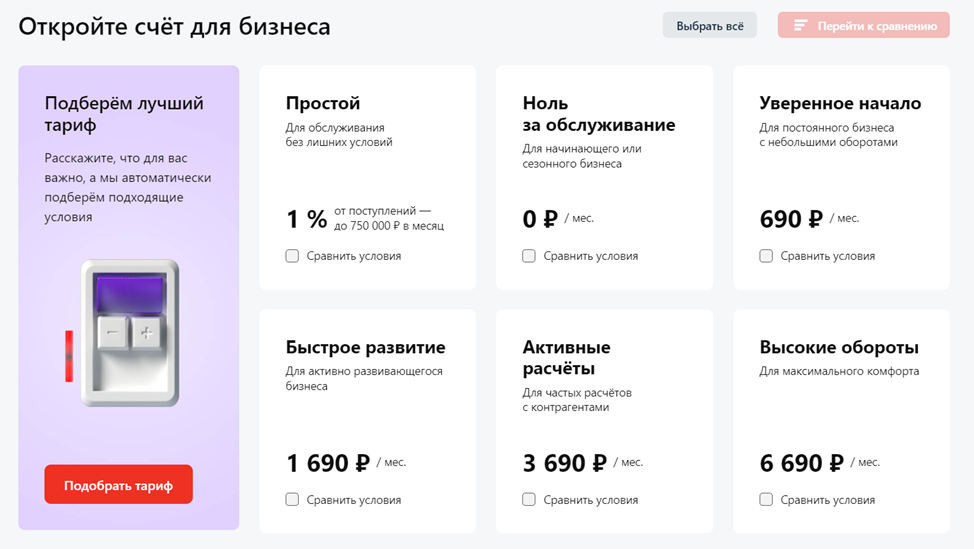
When comparing business accounts, consider transaction charges and service conditions as well as any advertised account fee. A package that appears inexpensive at first may have different costs once the business begins making regular payments.
Alfa-Bank provides banking services in Russia. This guide focuses on preparing a business account application and reviewing the wider services described alongside it, including payment acceptance, borrowing and cards. Availability, eligibility and prices should be checked for the applicant’s circumstances; an account application does not establish access to every product.
Prepare the application before choosing a launch date for the account.
The following stages help organise the process:
- Gather the required documents.
Ask the bank for the current list of documents for the business and its authorised representatives. Check that registration details, identity information and contact details are consistent before submitting them.
- Confirm the available application process.
Find out how the bank accepts applications for your circumstances and whether an appointment is required. Use the discussion to clarify the proposed account package, payment needs and any supporting information the bank requests.
- Complete the account application.
Provide accurate company information, including its name and business activity. Review the submitted details and keep a record of the application and any subsequent requests for clarification.
- Review the agreement.
Before signing, examine the account terms, charges, transaction limits and conditions for additional services. Clarify any points that do not match the proposed payment workflow and retain the final documents.
- Set up online banking access.
Once the account is opened, arrange access for authorised users. Confirm permissions, payment approval responsibilities and how statements will be supplied to the person maintaining the business records.
Completion depends on the application and the bank’s checks. Track the actual status and wait for confirmation before relying on the account for time-sensitive payments.

Evaluate the account against the following practical requirements:
- The application process.
Assess how documents are submitted, how questions are answered and how application progress is communicated. A clearly understood process is more useful than an unverified promise of immediate account opening.
- The full cost of account services.
Check fixed charges, included transactions and costs outside any allowance. If a promotional or conditional fee applies, record when it ends and what the ongoing terms will be.
- Additional financial services.
Identify which additional products the business actually needs. Review borrowing, deposits, insurance and cards separately, including their eligibility conditions, agreements and charges.
- Online banking workflows.
Check how the proposed setup supports payments, statements and user access. Confirm the controls available for approving transactions and maintaining an audit trail of business activity.
- Access controls and account support.
Review authentication, user permissions and the process for reporting a suspected problem. Establish how authorised staff can contact the bank and how access should be removed when a person’s role changes.
- Support for the proposed setup.
Ask how questions are handled during onboarding and ongoing use. Make sure the support arrangements suit the people responsible for payments and account administration.
Reviewing a personal construction loan separately

A personal loan for building a home is a separate borrowing decision from opening a business account. Confirm the current product conditions and assessment process; approval, interest rates and available amounts depend on the application and agreement.
Information to obtain before comparing a loan
- The application and decision process.
- The amount available under an actual offer.
- The repayment term and total borrowing cost.
- The conditions and timing for receiving the funds.

Reviewing repayment and disbursement terms
- Repayment arrangements:
Read the payment schedule, the available payment methods and the rules for early repayment. Confirm any notice requirements or charges in the agreement rather than relying on a general description of the product. - How funds are provided:
Confirm where approved funds are paid, when they become available and what conditions apply to their use. If a card is involved, review its separate service, transfer and withdrawal terms.
Understanding a credit card offer

Conditions to compare
- Which transactions qualify for any interest-free period and how it is calculated.
- The service fee and the requirements for any fee waiver.
- Cash withdrawal charges and limits.
- Card delivery, activation and access arrangements.

Reviewing debit card services

Questions to ask about the proposed card
- What are the ongoing service charges and any conditions for waiving them?
- How are rewards calculated, and what limits or exclusions apply?
- Which transfer methods are supported, and what charges or limits apply?

If an additional account is offered alongside the card, review it as a separate product with its own terms. Confirm whether it is relevant to the intended use rather than assuming it improves the overall arrangement.
Questions about an additional account
- Which account types and currencies are available to the applicant?
- What conditions apply to funding the account from other accounts or cards?
- What withdrawal, transfer or balance restrictions apply?

Making an informed comparison
Start with the business account requirements: expected payments, record keeping, access and support. Consider additional products only where they serve a defined need, and compare each against its current contractual terms.
Document the expected monthly account activity and use it to estimate costs. Review how statements and payment information will reach the business’s accounting workflow, and identify who will monitor charges and service changes.
Keep account and card access under review as staff roles change. Separate business and personal product decisions so that fees, responsibilities and repayment commitments remain clear.
An organised application and a realistic comparison provide a stronger basis for selecting banking services than promotional headlines. Obtain the relevant terms directly from the provider before committing to a product.
For help planning your website and marketing, contact our agency. You can also explore our other articles.