Social networks bring together people with different interests, needs and reasons for using a platform. An advertising campaign becomes more focused when the business understands which of those people are likely to find its offer useful. This guide explains how to define a target audience and turn audience research into a practical campaign brief.
A target audience is the group you want to reach with a particular message. Defining it means connecting the offer to a recognisable need, not simply selecting the largest available group. Clear audience criteria help guide the message, placement and way you assess responses.
Begin with the market and the alternatives available to customers. Look at relevant competitors, the communities discussing the problem and the reasons people choose one solution over another. Use those observations to explain what your offer provides and which customers are most likely to value it.
Consider the following factors when building an audience profile:
Demographic and location information.
Age, location and other relevant characteristics can help define a campaign, but use them only where they relate to the offer. For example, the area a local business serves may matter more than a broad age range. Avoid treating a demographic profile as a complete explanation of why someone buys.
Interests and activity.
Examine the topics, communities and types of content relevant to your audience. Look for connections to the customer problem rather than assuming that every subscriber has the same interests. These observations can help you choose suitable messages and decide where to test them.
Needs and problems.
Identify the situations in which your product or service is useful. Describe the problem in language customers recognise and explain the practical outcome they are seeking. A specific need makes a stronger campaign brief than a general claim that the offer is suitable for everyone.
The social platform.
Assess where the audience is active and how people use each platform. A message that works in one setting may need a different format or response path in another. Match the placement to both the audience and the offer.
Audience definition is an ongoing process. Review campaign responses, compare them with the original assumptions and adjust the criteria when the evidence supports a change. Use the advertising platform’s reports together with your own enquiry or sales records so that clicks are not confused with useful business outcomes.
Segmento Target audience research.
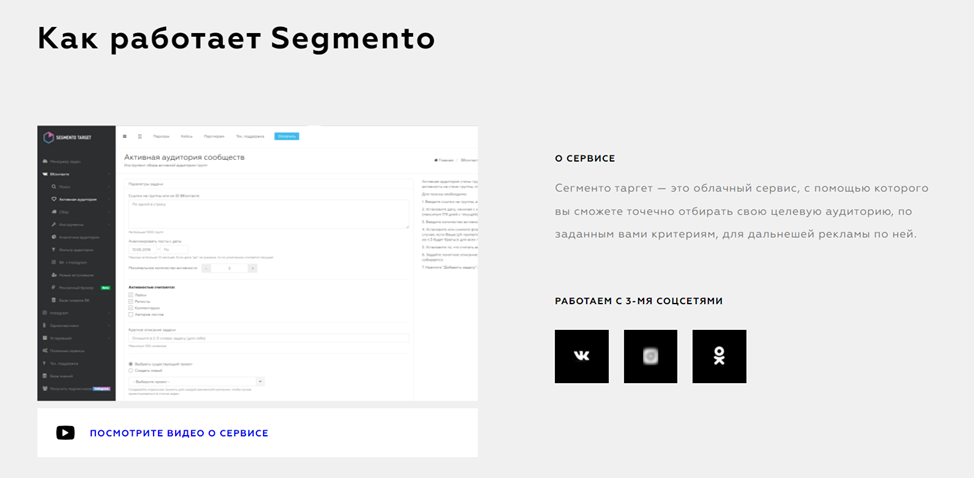
Segmento Target research tools can be assessed as part of this process. Start by defining the sources, selection criteria and output your campaign requires. Check that the available tools support that task before relying on the resulting audience list.

Making the information useful.
When evaluating Segmento Target audience results, look at the information behind the selection. Check the sources, the collection criteria and whether the records are relevant to the offer. A useful result should make it easier to explain why a group belongs in the campaign. Use the Segmento Target workflow to organise that research, then validate the findings against the customer needs you identified.
Defining criteria for an advertising audience.
Choose criteria that reflect the campaign objective, such as relevant communities, topics or locations. Review the available filters and test a small selection before building a larger list. Keep a record of the criteria and confirm how the result can be used in the chosen advertising platform.
Updating the audience.
Segmento Target research tasks should be reviewed as the campaign develops. Compare responses across meaningful groups and update the selection when interests, source information or the offer changes. Keep research decisions distinct from the targeting settings applied in the advertising account.
Preparing the advertising message.
Use the audience brief to guide the creative work. Explain the relevant benefit, choose a suitable format and give the reader a clear next step. The image, wording and destination should address the same need. Test variations with a defined purpose rather than changing every part of the campaign at once.
Research with Segmento Target audience tools is only one part of measurement. Review the advertising platform’s delivery data and your own records of enquiries, qualified responses or sales. That comparison helps distinguish a relevant audience from a group that simply clicks frequently.

Evaluate the Segmento Target platform against the work your team needs to do: finding suitable sources, applying understandable criteria and checking a usable result. A representative test is more useful than relying on a general promise of improved campaign performance.
Putting the audience brief into practice
A focused audience brief connects customer needs, relevant sources, a clear advertising message and a measurable response. Review the results regularly and change the criteria when there is a reason to do so. This keeps audience research connected to the decisions that matter for the business.
Contact our agency for help planning audience research and advertising. Visit our website, or browse the archive.