Public web data can help a business understand its market, compare offers and organise research. The Webparsing service focuses on collecting and processing information from websites so that it can be used in analysis and business systems.
This guide looks at the work described by Webparsing, from data collection and enrichment to CRM development and research into potential business customers. The starting point is a clear question and an agreed set of sources.
Website data collection with Webparsing
A core area of work offered by the team is collecting and analysing information from web resources. A business might use the service to compare advertised prices, monitor public mentions of its brand or research organisations in a particular market. Define the required fields and how the results will be used before commissioning a collection.
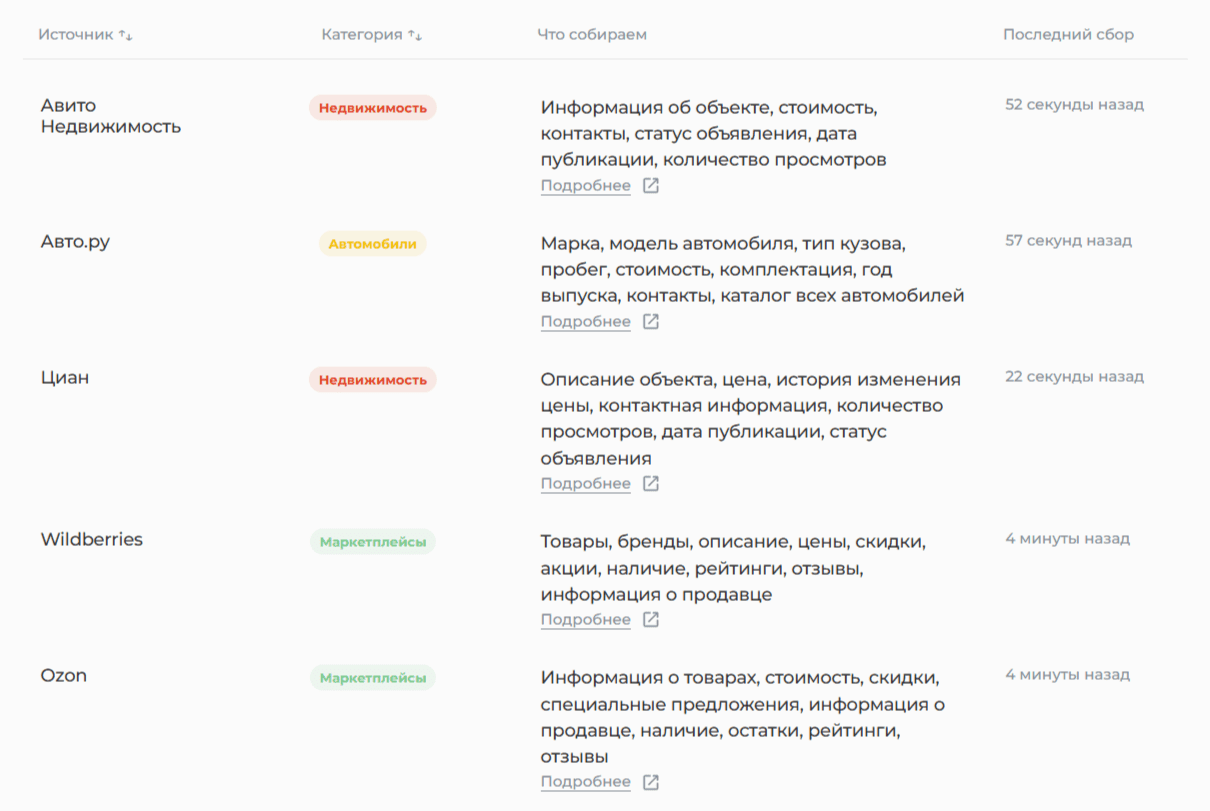
The collection brief should identify the websites involved, the permitted access method and a realistic update schedule. Access restrictions and changes to website layouts can affect coverage; agree how the provider will report missing or unavailable data.
Data processing is another part of the service. Information from different sources needs consistent names, categories and formats. Specify which reference sources may be used to enrich it, and ask how uncertain matches or conflicting values will be flagged.
The analysis stage can then address patterns and trends in the collected material. Keep the source and collection date alongside each record so that a useful finding can be traced back and checked.
Business systems from the Webparsing team
Beyond collection and analysis, the provider describes work on business information systems, including custom CRM solutions. Treat the system and the data feeding it as connected parts of one project.
Planning a custom CRM
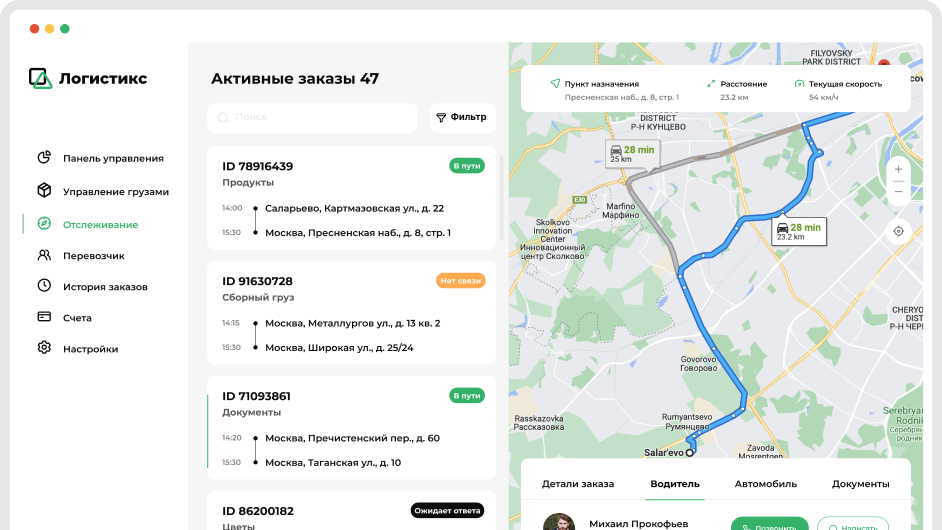
When discussing CRM development with the team, describe the users, records and decisions the system must support. Map any connections to analytics, stock management or accounting tools, and identify which notifications or reports could be automated. Agree access permissions and acceptance checks before development begins.
Researching business needs through vacancies
Another use case described by Webparsing is analysing job advertisements to identify organisations that may need particular services. A vacancy can provide a research lead, but it does not prove that the company wants to engage an outside supplier.
An example to assess: a property agency could examine recruitment activity when researching companies entering a new area. A brief to the research team should distinguish that observed activity from assumptions about office or housing needs. Staff would still need to verify a company’s circumstances before deciding whether a relevant business approach is appropriate.
Automarket and vehicle listings
Automarket is presented by Webparsing as a vehicle-listing research service. Such data can support comparisons of advertised prices and available stock. Confirm the marketplaces covered, update frequency and treatment of duplicate or withdrawn advertisements.
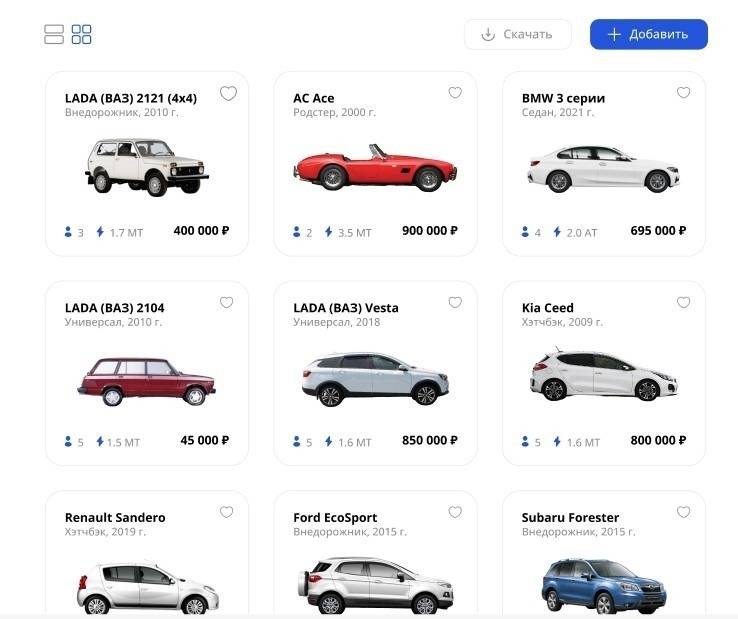
A dealer’s research workflow: a used-car dealer could ask the provider for comparable listings grouped by make, model, age and condition. Advertised prices should remain distinct from confirmed sale prices, and unusual records should be checked before influencing stock or pricing decisions.
Pricevisor and product-price research
Pricevisor.ru is another service described by the team, focused on collecting product-price and seller information from search results. For a useful comparison, agree product matching, the search sources and the output format before collecting a large dataset.
An online-shop example: a homeware shop could compare offers for a defined group of products and research possible suppliers. The analysis should account for differences in product specification, availability, delivery and the date each price was observed.
Monitoring public brand mentions
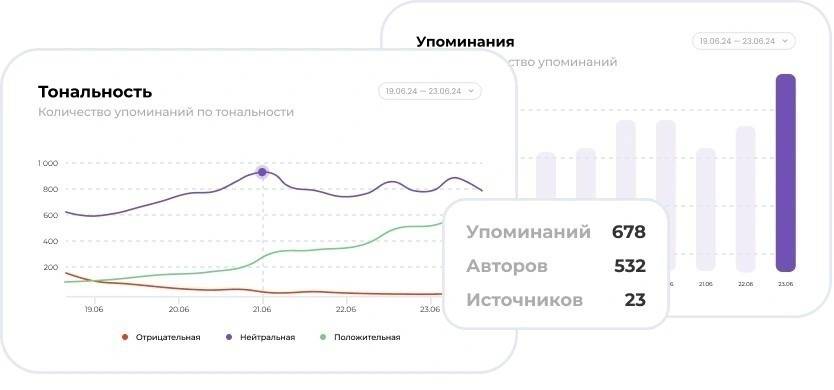
Public mention monitoring is also among the uses described by Webparsing. Agree which social platforms, forums, blogs and news sources are included. Classify relevant mentions and assign someone to review them; an automated match may refer to a different business or use a brand name in an unexpected context.
Researching organisations
Business-directory research through the service can help organise publicly available information about organisations. Define the region, activity and other selection criteria, and retain the source of each record instead of treating every directory entry as current.
A supplier-research example: a construction company could ask the team to compile a shortlist of potential subcontractors from public sources. The company would then verify the organisations’ activities, contact details and suitability through its normal supplier-selection process.
What to agree with Webparsing
- Project scope.
Specify the question, sources and fields that matter to your business.
- Output format.
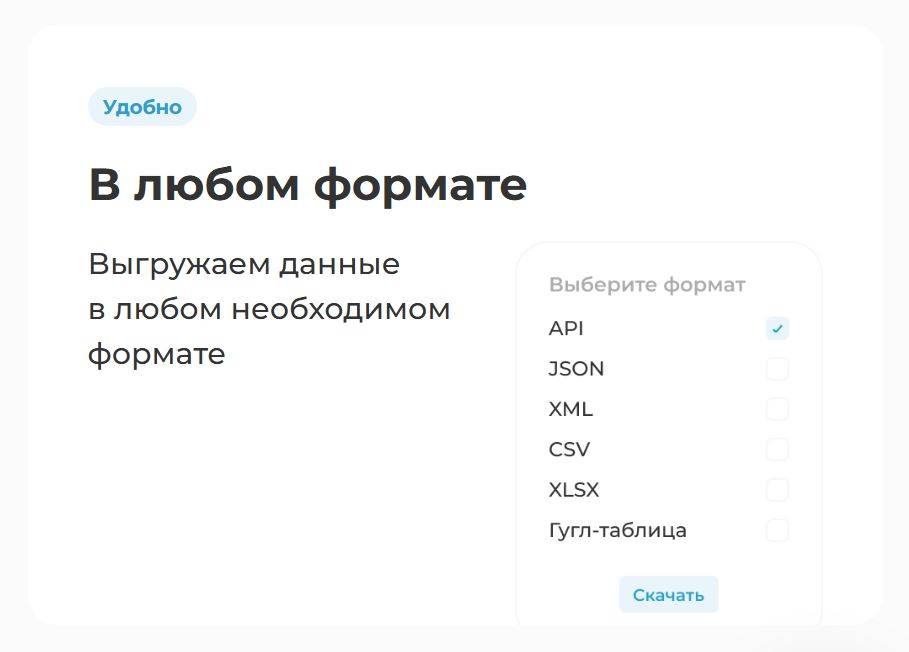
Agree whether your team needs a spreadsheet, JSON, XML or another supported format.
- Data structure.
Define field names, record identifiers and any relationships between records.
- Processing rules.
Document how duplicates, missing values and inconsistent formats should be handled.
- Analysis methods.
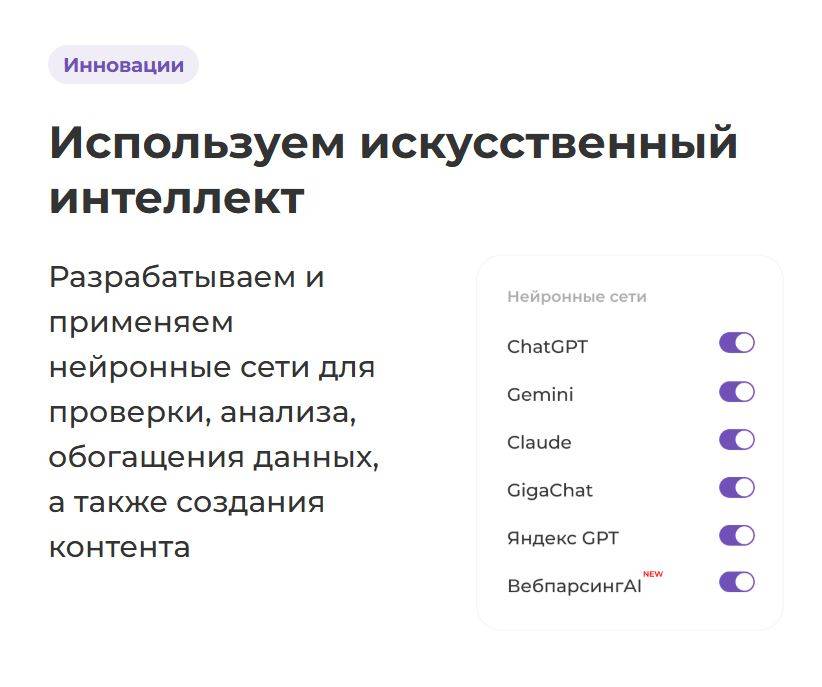
The provider should explain how automated or AI-assisted processing is used and which outputs require human checking.
- Delivery schedule.
Agree a realistic pilot and delivery timetable, with a process for reporting interruptions or changes in source availability.
- Enrichment.
Identify which additional reference sources may be used and how their reliability will be assessed.
- Source access.
Agree an authorised access method and how the project will respond to restrictions or unavailable pages.
- Integration.
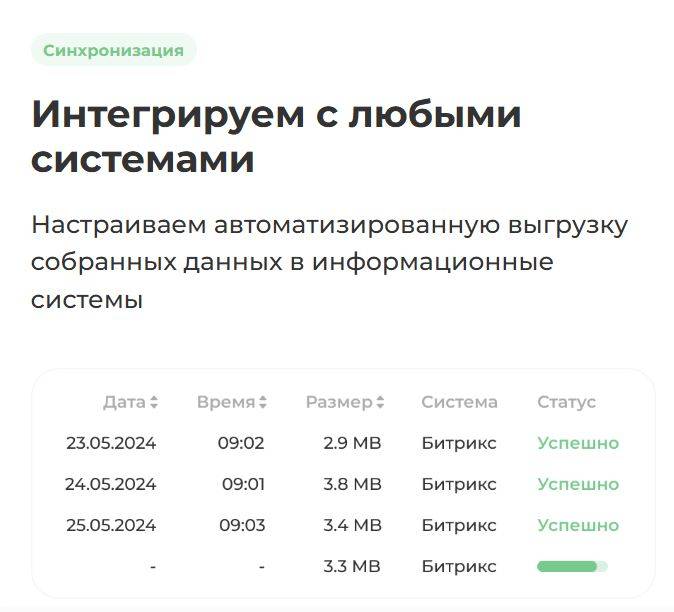
The technical team can be asked to define how collected records will enter your existing systems and how failed transfers will be handled.
- Update frequency.
Choose a collection and export schedule that matches how quickly the information changes.
- Relevant experience.
Webparsing can be assessed through examples of comparable work, a sample dataset and the team’s explanation of its quality checks.
Putting the data to work
A project with Webparsing should connect data collection to a clear business task. Start with a limited sample, check its accuracy and usefulness, and then agree the ongoing collection or system-development work.
For more guidance on planning digital tools and research, explore our articles. Continue browsing the article archive.